
Wet Grinding / Wet Milling
Wet grinding, also called wet milling, reduces the size of solid particles suspended in a liquid, typically using small grinding media (beads) that impact and shear the particles as they're circulated through a mill chamber. It's the step that determines a product's final fineness, and by extension its colour strength, gloss, stability and, in nano-scale applications, its functional performance, which is why grinding media size, disc material and chamber design all directly affect the result.

Applications and Product Types
Paint, Ink and Pigments
- Paints and lacquers
- Inks
- Pigment dispersions
- Dyes
Chemicals and Agro
- Agro formulations
- Specialty chemicals
- Adhesives and sealants
- Coatings
Other Uses
- Ceramic slurries
- Cement additives
- Battery materials
- Lab formulations
What We Cover
The THM bead mill has protection and monitoring built in.
Temperature and pressure indication
Remote emergency stop
Enclosed horizontal grinding chamber
Tungsten carbide gap separator
Double mechanical seal, independent cooling
Cooling jacket, HMI and VFD
How Tipco Performs This Process
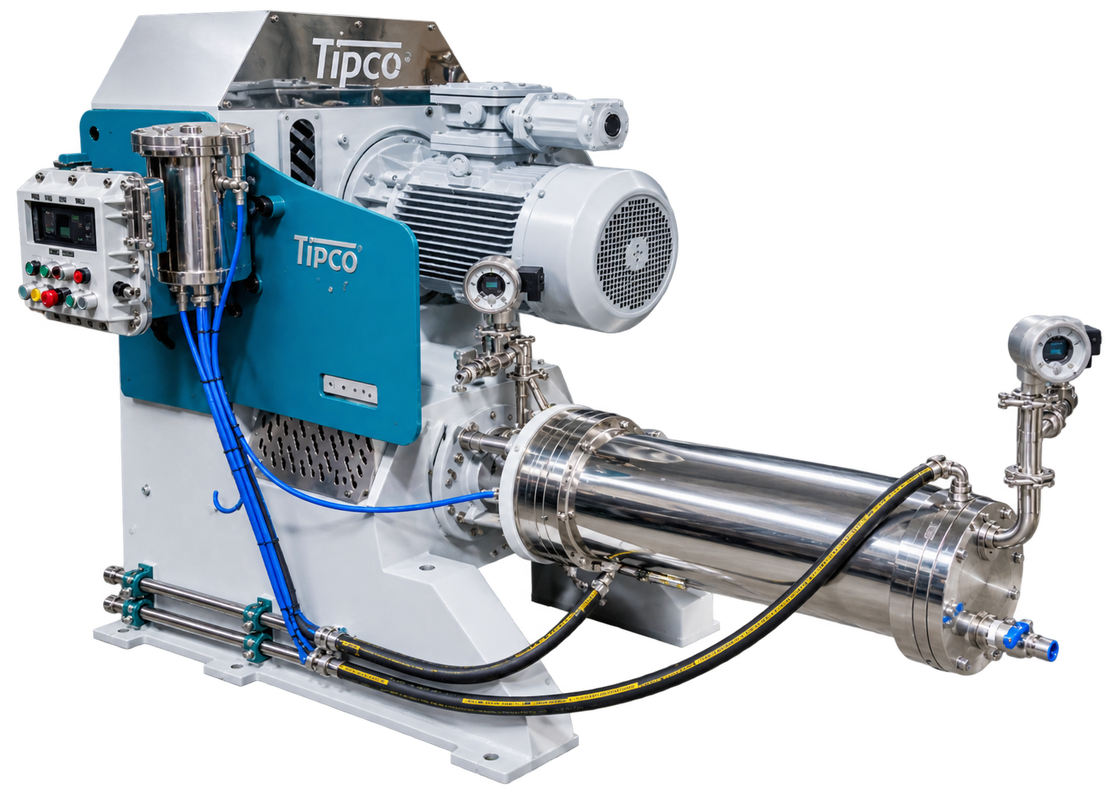
Horizontal Bead Mill (THM Series)
Role in this processContinuous fine grinding for inks, lacquers and paints
View product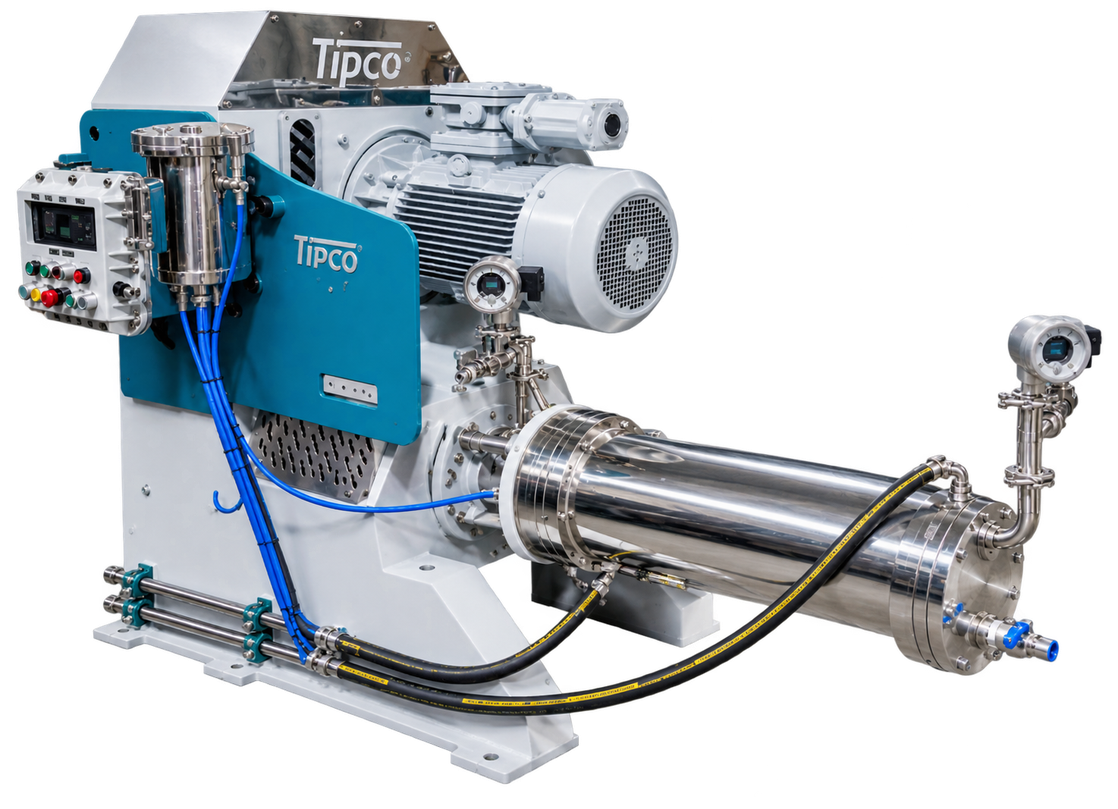
Horizontal Ceramic Bead Mill
Role in this processCeramic grinding zone to limit metal contamination
View product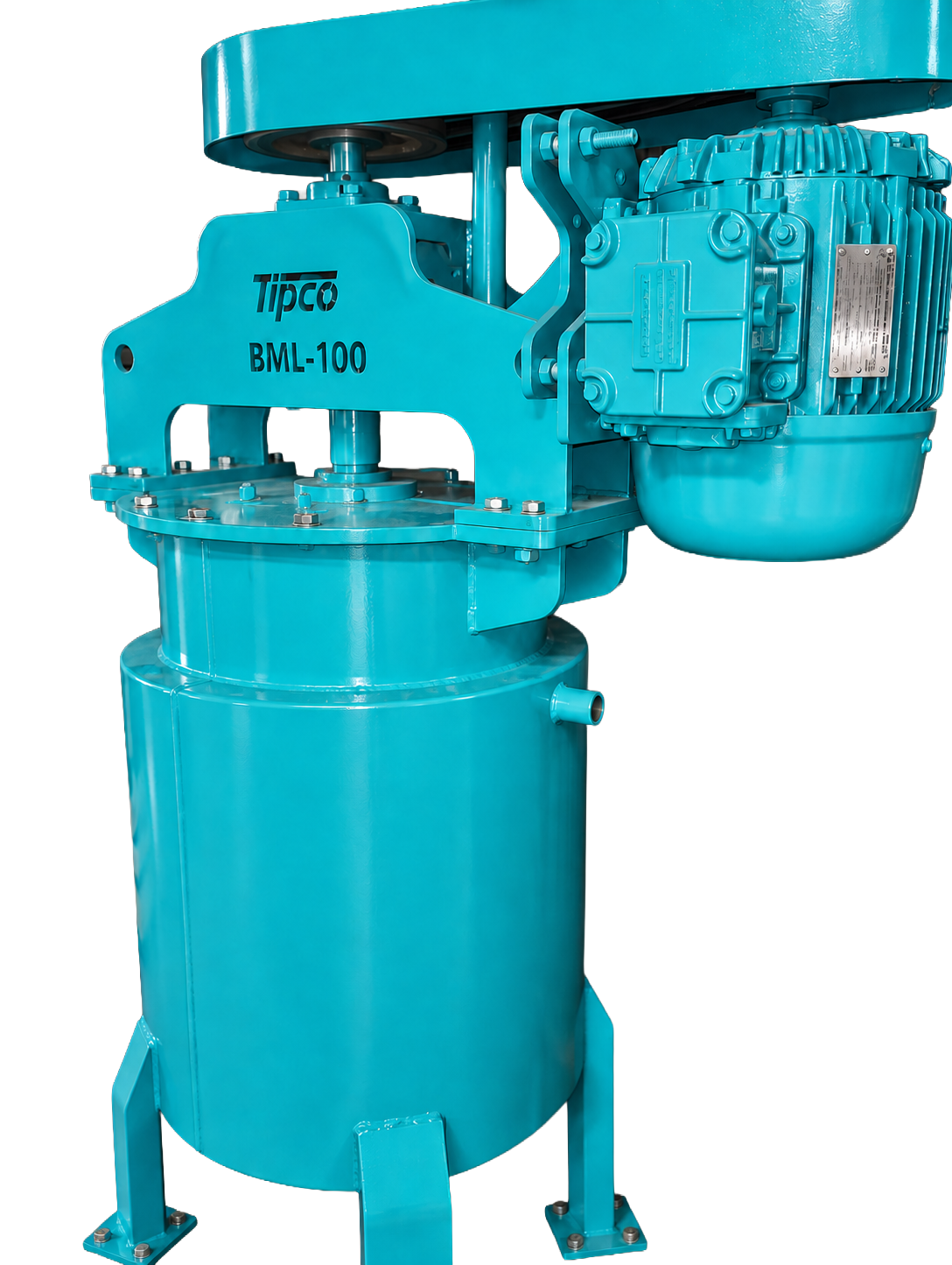
Batch Type Bead Mill
Role in this processBatch grinding in the production vessel
View product
Basket Mill
Role in this processPredispersion and grinding in one container, quick colour change
View product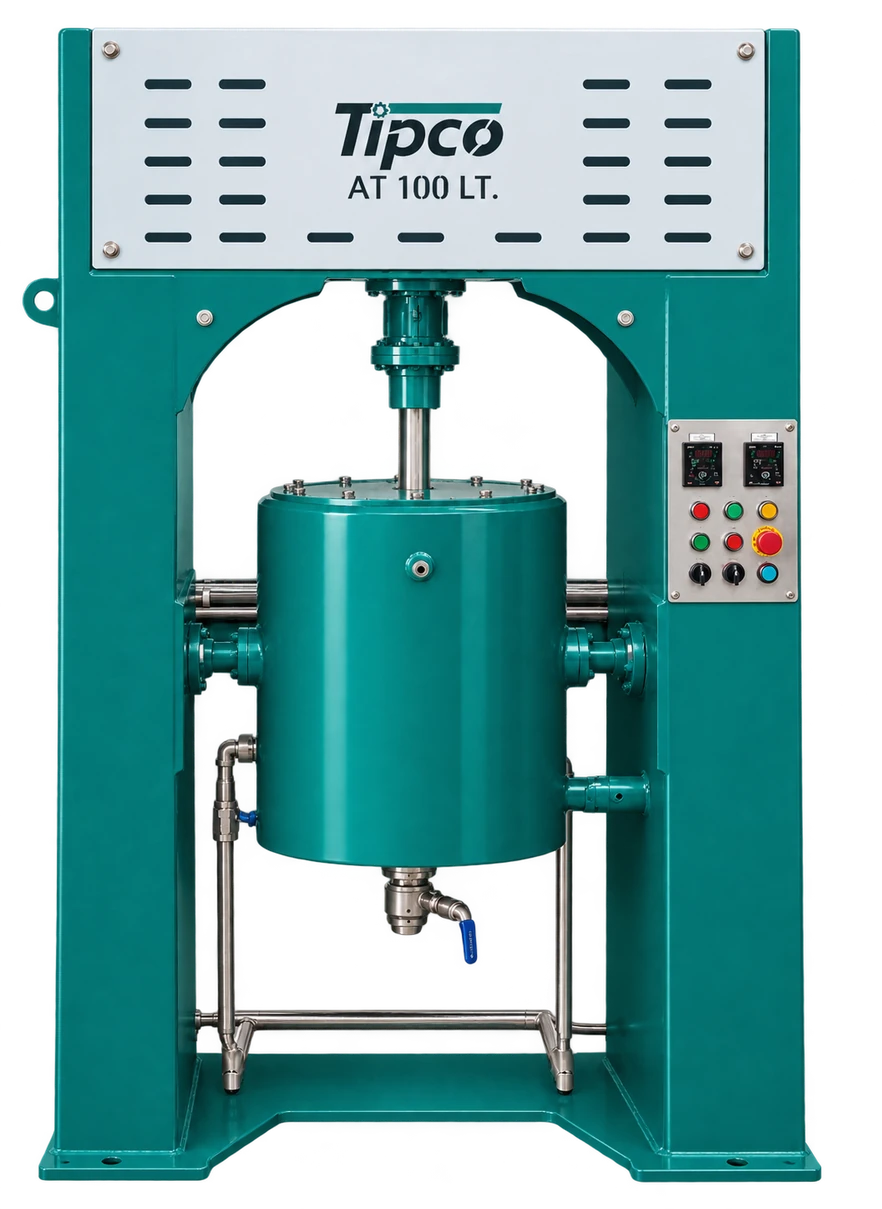
Attritor Mill
Role in this processHigh-output grinding, wet or dry
View productTrial Your Formulation Before You Commit
Equipment selection for a new or reformulated product shouldn't be a guess. Our upcoming facility in Pune, developed in partnership with Lexamix, will let you run your own formulation on production-grade equipment and get real fineness, throughput and cycle-time data before placing an order. The facility is currently in development. Register your interest and our engineering team will guide your equipment selection in the meantime.
What You Can Make
- Paints and lacquers
- Printing inks
- Pigment dispersions
- Agro formulations
- Specialty chemicals
Questions we hear most.
Bead diameter is chosen based on target fineness. Tipco's standard range runs 0.8 to 2.2mm depending on the model; finer target particle sizes generally call for smaller beads, and our engineering team can confirm the right combination for your formulation.
A bead mill is built for continuous, high-volume grinding of a stable formulation. A basket mill combines predispersion and grinding in one container, better suited to smaller batches and frequent colour or product changeovers.
It depends on the product, beads and process time. Share your formulation and our engineers will advise.
Talk to us about your milling process.
Fill this in and our team will follow up, whether you want a formal quote or a conversation with an application engineer.