Emulsification
Emulsification is the process of combining two liquids that don't naturally mix, most commonly oil and water, into a stable, uniform mixture where one phase is broken into fine droplets and evenly suspended through the other. Achieving this typically requires high shear or high-pressure mechanical force, since the two liquids will separate again on their own without it, and formulations differ in whether they need an oil-in-water, water-in-oil, or more complex multi-phase (water-in-oil-in-water) emulsion structure.
Applications and Product Types
Cosmetics and Personal Care
- Creams and lotions
- Gels
- Hair care
- Lipstick and foundation
Chemicals and Agro
- Pesticide emulsions
- Pigment and oil emulsions
- Adhesive emulsions
- Specialty chemicals
Other Industries
- Bitumen emulsions
- Pharma and nutraceutical
- Food and sauces
- Lab formulations
What We Cover
A stable emulsion needs shear, mixing and temperature working together.
Oil-in-water (o/w)
Water-in-oil (w/o)
Water-in-oil-in-water (w/o/w)
Oil-in-water-in-oil (o/w/o)
Hot emulsification processes
Mesh, long-hole and round-hole stators
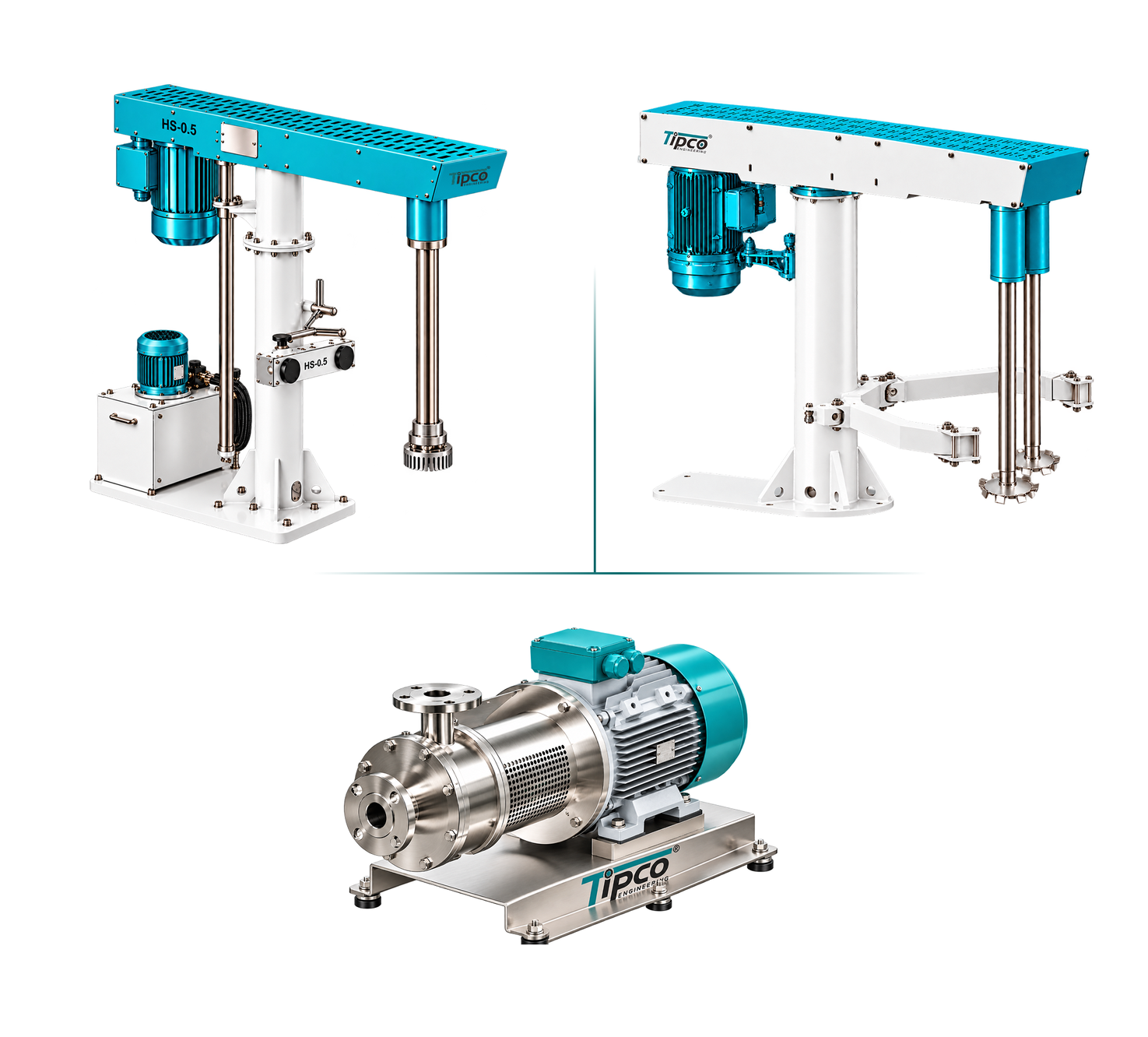
How Tipco Performs This Process
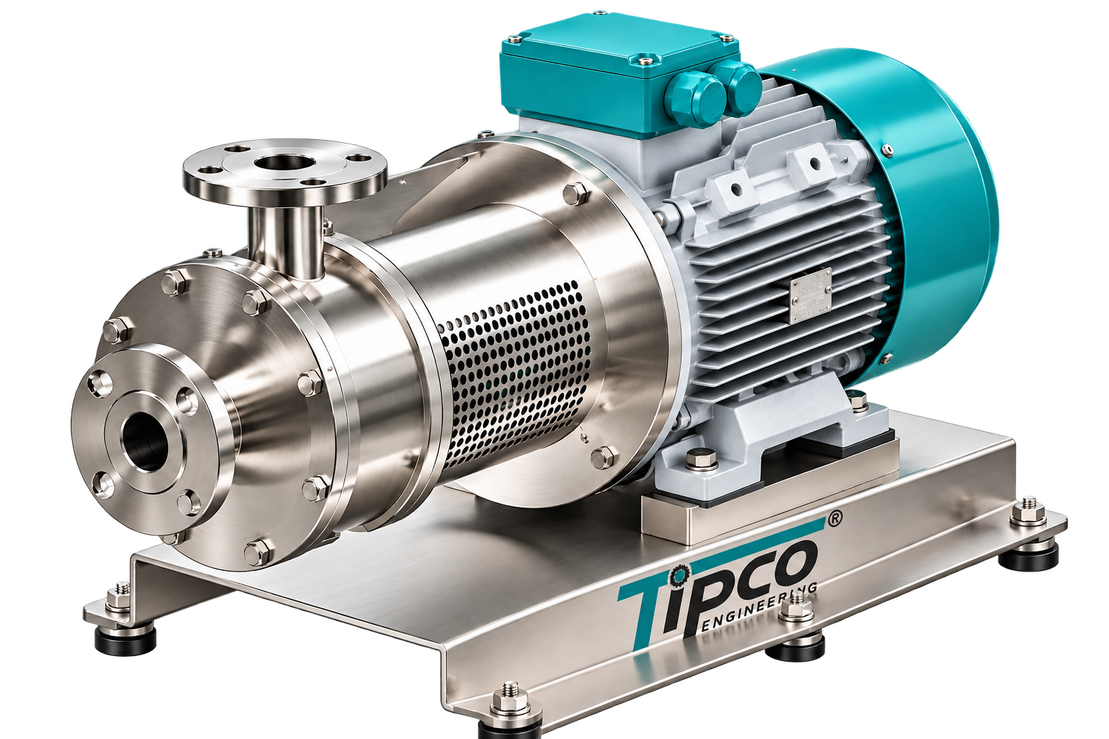
In-line Homogeniser
Role in this processContinuous emulsifying in the pipeline
View product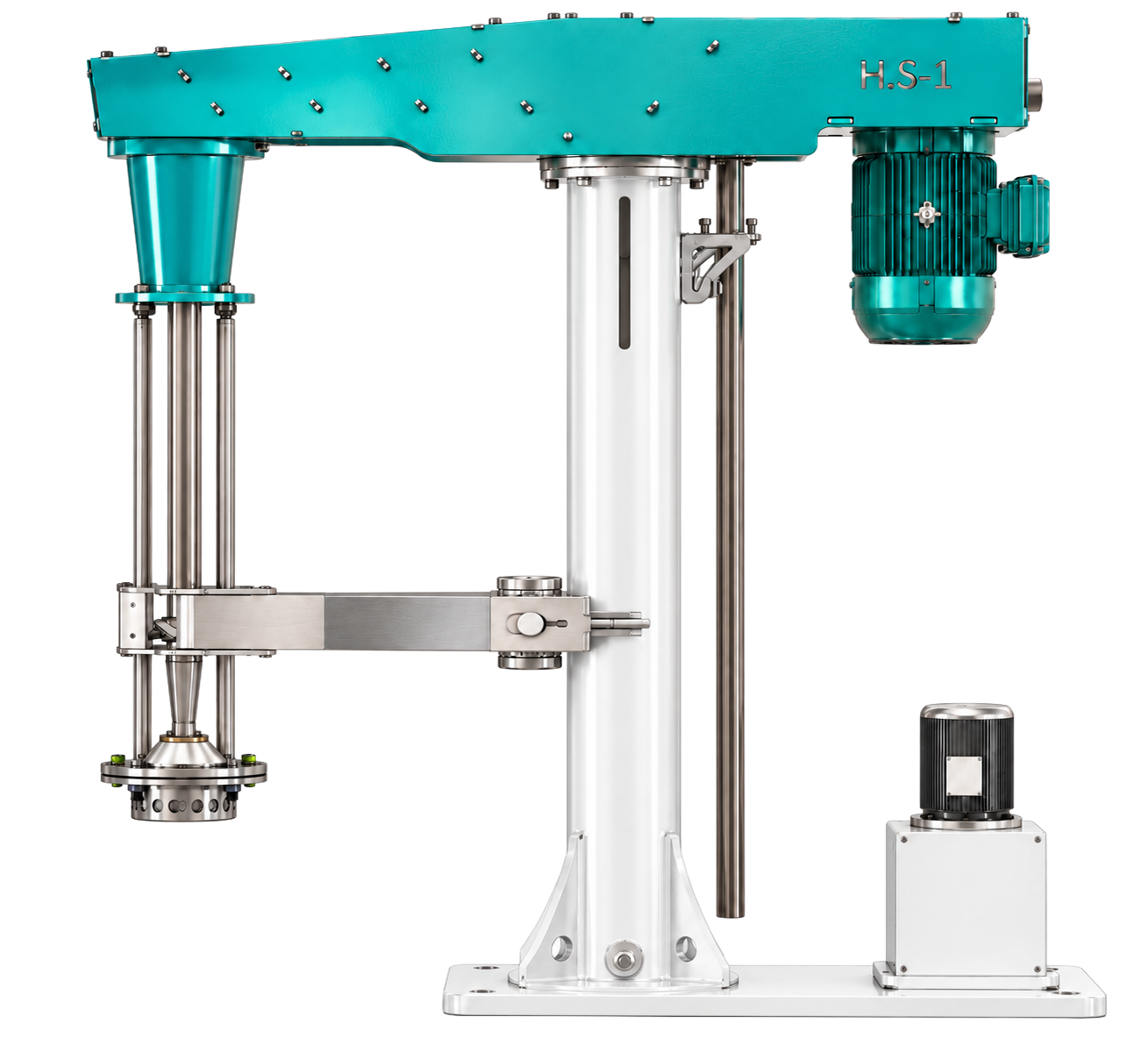
In-tank Homogeniser
Role in this processBatch emulsifying inside the vessel
View product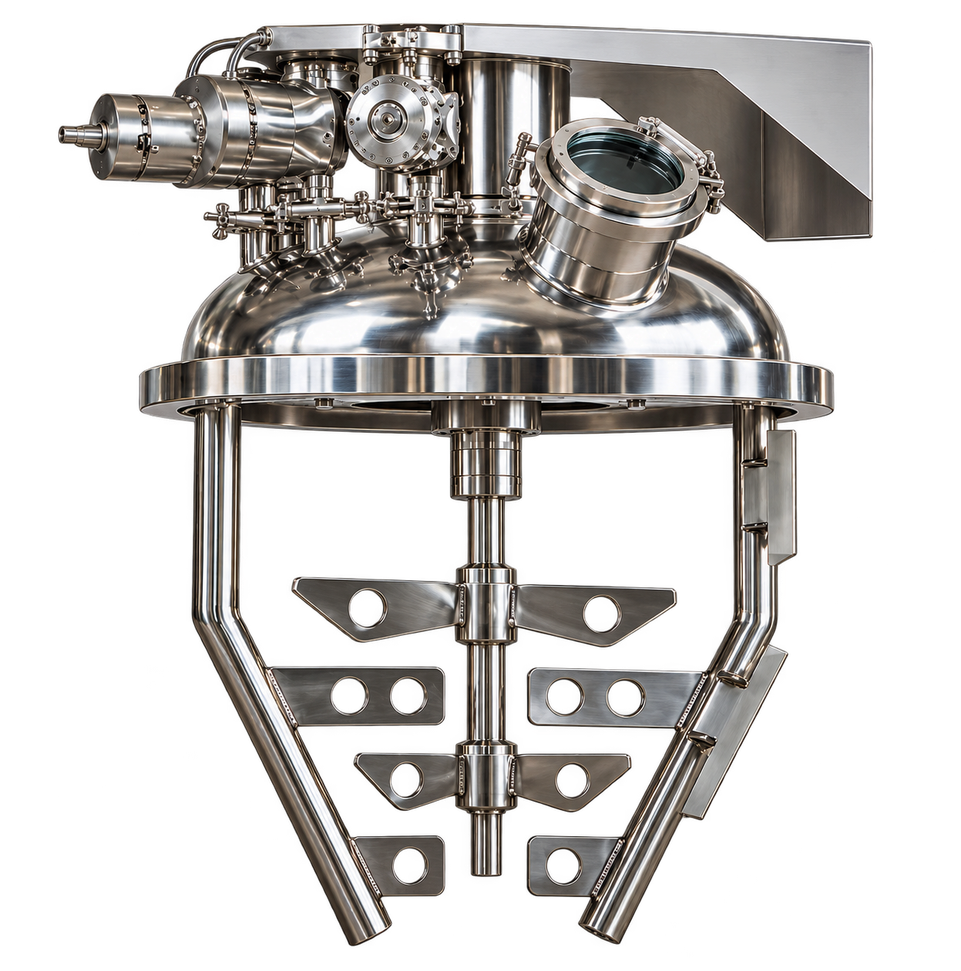
Contra Mixer
Role in this processDual counter-rotating agitators built specifically for oil-in-water, water-in-oil and multi-phase emulsions
View product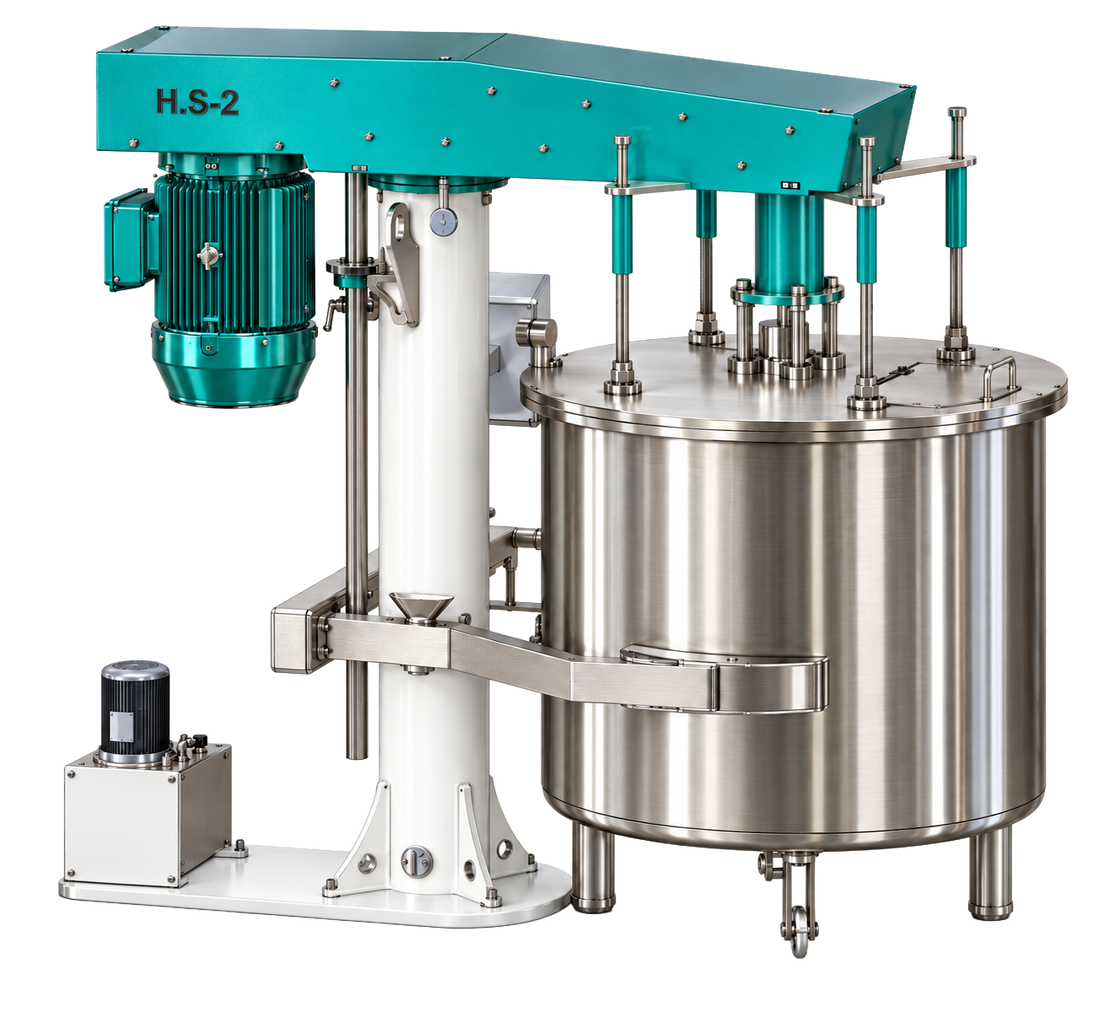
High Shear In-Tank Homogenizer
Role in this processBatch rotor-stator shear for fine emulsions
View productTrial Your Formulation Before You Commit
Equipment selection for a new or reformulated product should not be a guess. Our Pune technology centre is in development. Register your interest and our engineers will guide your equipment selection in the meantime.
What You Can Make
- Creams and lotions
- Gels
- Hair care products
- Lipstick and liquid foundation
- Pesticide emulsions
- Bitumen emulsions
Questions we hear most.
A homogeniser reduces droplet or particle size with high shear. An emulsifier combines two liquids that do not mix. High shear homogenisers do both.
Typically 2 to 5 microns, suited to the vast majority of creams, lotions, sauces and flavour emulsions.
An in-line homogenizer processes material continuously as it flows through the machine, suited to high-throughput lines. An in-tank homogenizer works one batch at a time, suited to production runs with frequent formulation changeover.
Our Lexa-Mix systems are designed around hot emulsification processes for cosmetics and personal care.
Our Triple Shaft Mixer is built in vacuum designs. Please confirm the vacuum configuration needed for your product.
Have a formulation challenge?
Fill this in and our team will follow up, whether you want a formal quote, a conversation with an application engineer, or a seat in the Pune trial programme.