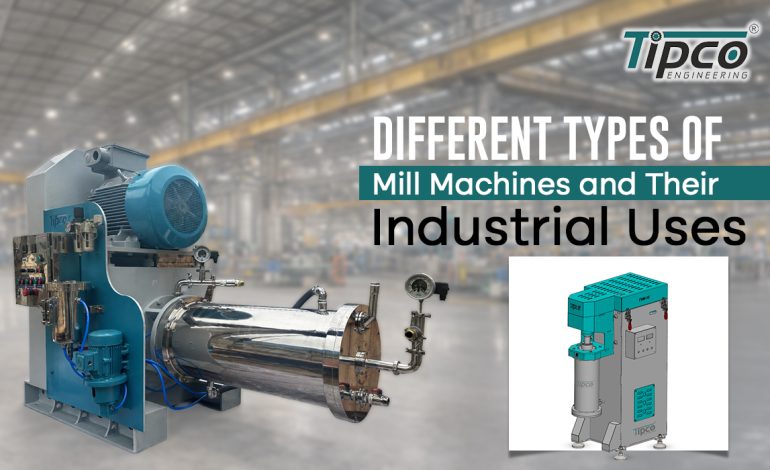

Milling machines are multipurpose instruments used for drilling, shaping, and cutting materials. They can be handled manually or by a computer. These machines are often vertical, horizontal, and universal. They are crucial to the production of intricate and precise parts. It comes in the automotive, aerospace, and manufacturing industries. Turret mills are two important types of mill machine. These are used for a variety of tool-room activities and bed mills. These are used for heavy-duty and high-production duties.
The structure and size of the milling machine, the table, and the movement style are the primary features that distinguish industrial milling machine from other types of mill machine. The majority of Tipco Engineering mill machines have this design because it is simpler to implement and enables the majority of the work to be completed in a vertical design. However, horizontal machine tools perform better than vertical ones in some milling operations.
This article will provide a brief overview of the many types of milling machines so that you may better understand your options and the advantages of each.
The Numerous Types of Computer Numerical Control Mills
Mill Machine Lathes are Angled in Their Position
The industrial mill machine is the most widely used type of machine tool. It is mounted vertically. These machines are a wonderful option. It is because they are simple to set up and can handle the majority of milling chores. The spindle is orientated perpendicular to the worktable when it is turned vertically.
The clear gain in eyesight is one of the numerous benefits of placing the work surface underneath the spindle. This allows the operator to see exactly what he is grinding. This is a huge benefit, particularly for milling tasks that require exact precision.
Computer-Numerical Control Machining Centers
Because of their intricate design and the additional space they often require, horizontal milling machines are not very prevalent. The spindle is positioned horizontally from the perspective of the worktable. The work table remains stationary while the spindle does all the moving to make things stable reasonably. However, the table typically has a tilt and swivel feature when it comes to multi-axis machining.
Kind of Industrial Mill Machine Suggests Fulfilling Your Needs
The Level of Experience You Possess
Consider your level of experience before purchasing a milling machine. A vertical machine tool is a great option for people who are new to milling. One of these routers is very easy to use and set up. Additionally, they are more accessible and have a lower price range.
On the other hand, if you have a lot of experience with machine tools, a horizontal Tipco Engineering machine tool might be worthwhile. Larger, more complex parts are a good fit for these routers. The best router for your needs should be something your Tipco Engineering machinist can advise you on.
Consider Your Financial Situation
Amongst the most important considerations must be your budget when selecting a mill machine. Think about a vertical Tipco Engineering machine rather than a horizontal one. These machine tools have become more accessible and more reasonably priced in recent years.
The best Tipco Engineering mill machine will depend on your needs, level of expertise, and financial constraints for you. Carefully consider your options, therefore, from a reputed milling machine manufacturer like Tipco Engineering. You must select the one that best suits your needs.
Also read: What Makes Modern Milling Machine Essential for Industries?